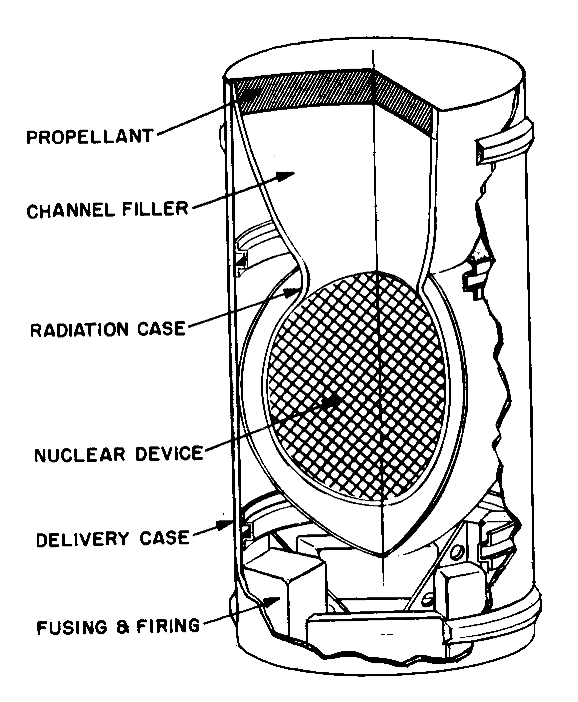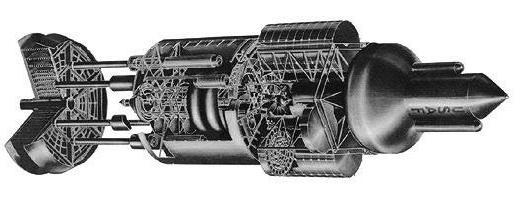
Designed and prototyped in 1957 the Orion Nuclear Pulse Propulsion system was mankind's first serious attempt at interstellar travel. Project Orion was a study conducted between the 1950s and 1960s by the United States Air Force, DARPA, and NASA for the purpose of identifying the efficacy of a starship directly propelled by a series of explosions of atomic bombs behind the craft via nuclear pulse propulsion. Early versions of this vehicle were proposed to take off from the ground; later versions were presented for use only in space. Six non-nuclear tests were conducted using models. The project was eventually abandoned for multiple reasons, such as the Partial Test Ban Treaty, which banned nuclear explosions in space, as well as concerns over nuclear fallout.
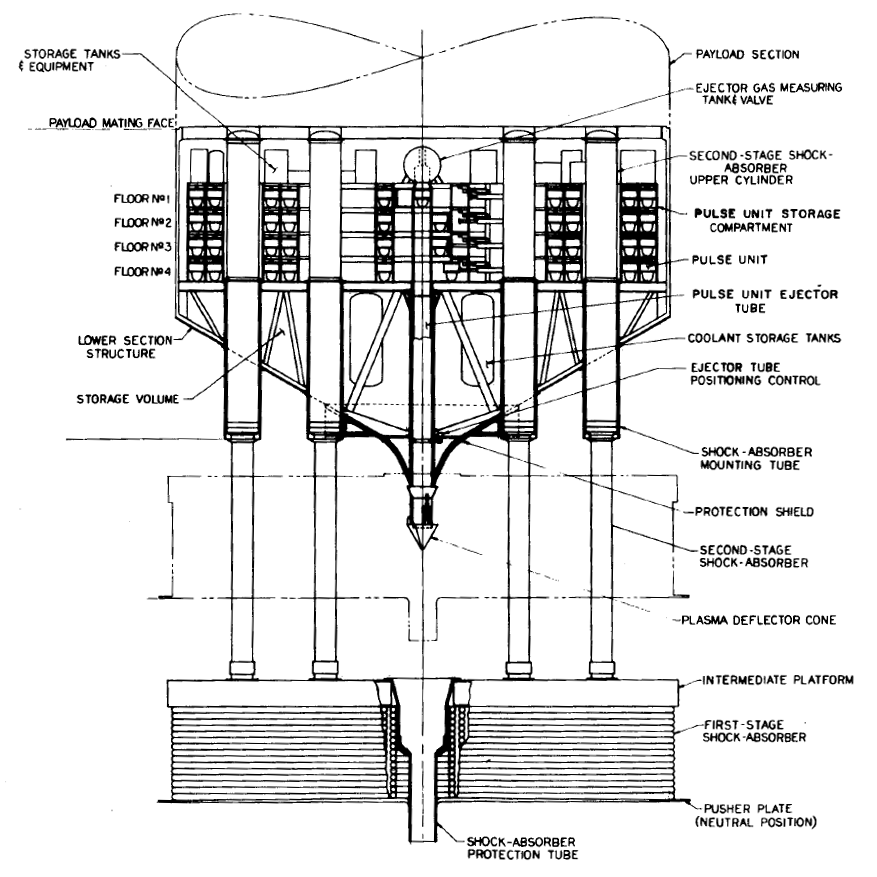
The idea behind Project Orion was pretty simple, at least conceptually: Use atomic bombs to generate thrust that could lift a ship into space. This was the original challenge that General Atomics hoped to overcome. The project decided to develop a concept proposed in a 1955 paper by Stanislaw Ulam and Cornelius Everett. They suggested that bombs could be ejected backwards from the vehicle, followed by solid-propellant disks. The explosions would vaporize the disks, and the resulting plasma would impinge upon a pusher plate.
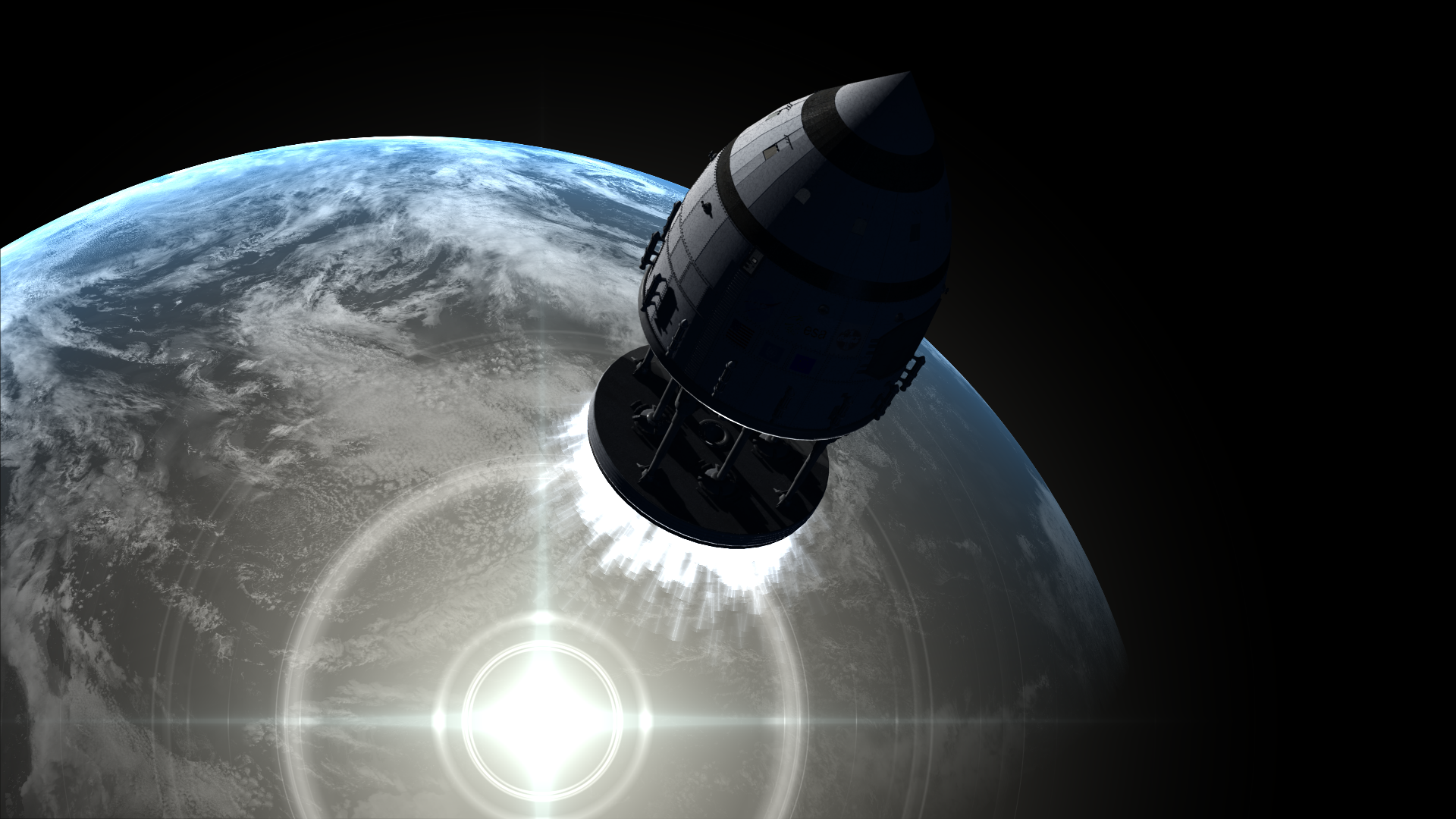
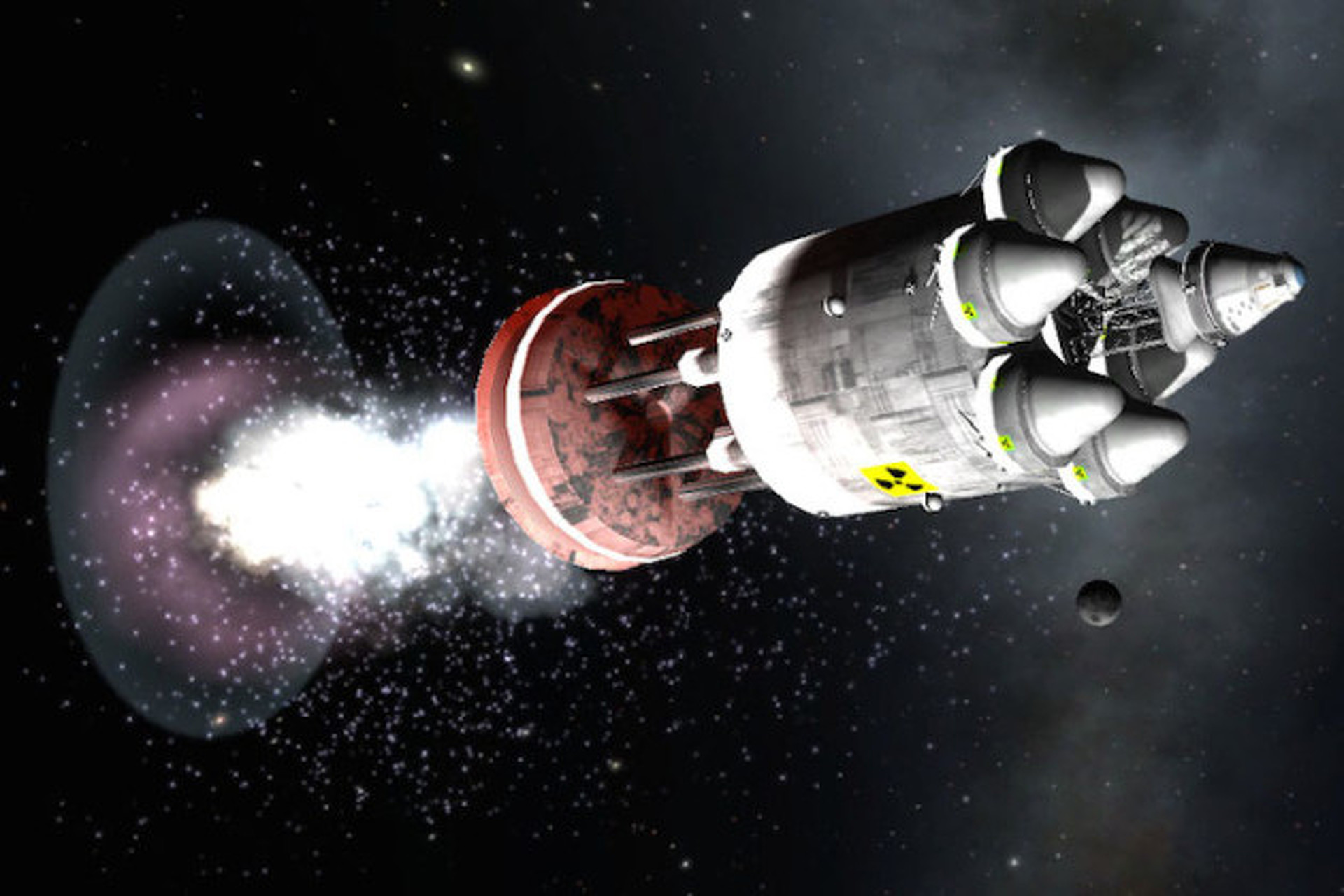
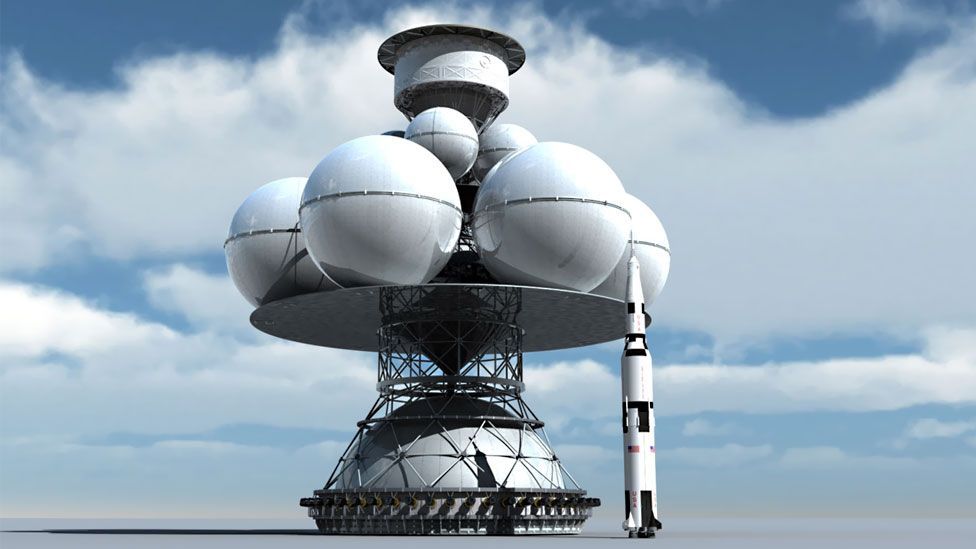
Using this nuclear pulse propulsion, Dyson and Taylor's design for the ship envisioned a large plate, a "pusher", beneath which an atomic bomb would detonate. The energy released by this explosion would drive the pusher away from the blast at a speed fast enough to achieve escape velocity. Of course, one bomb wouldn't be enough to get a ship fully into space, so a chain of atomic explosions would be needed in quick succession to keep the ship from falling back to earth.